
Knowledge Base
8 Articles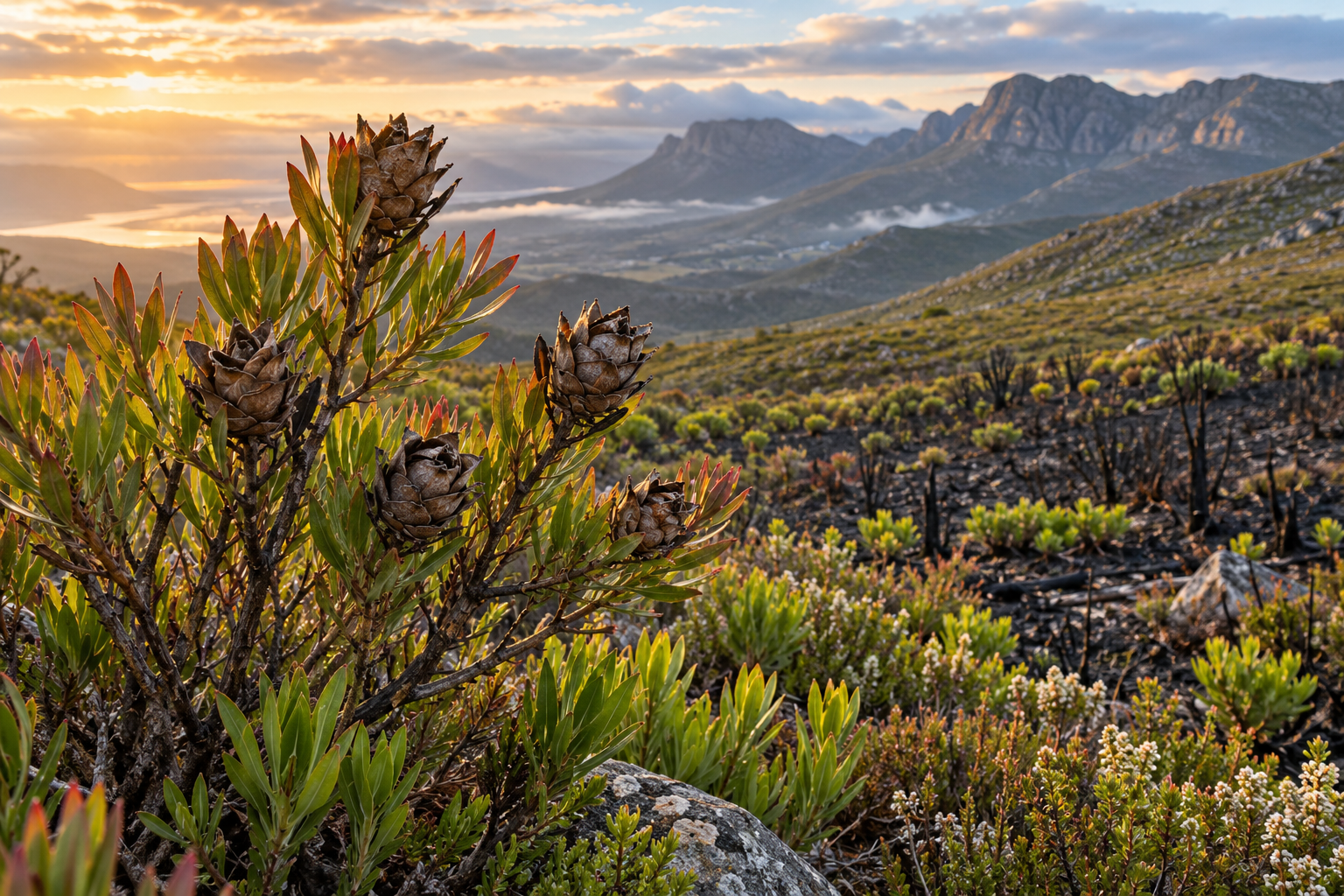
The Fynbos Seeds That Wait for Fire
Some fynbos plants hold seeds in cones until fire passes; others respond to smoke beneath the soil. Discover how Cape plants prepare for renewal.
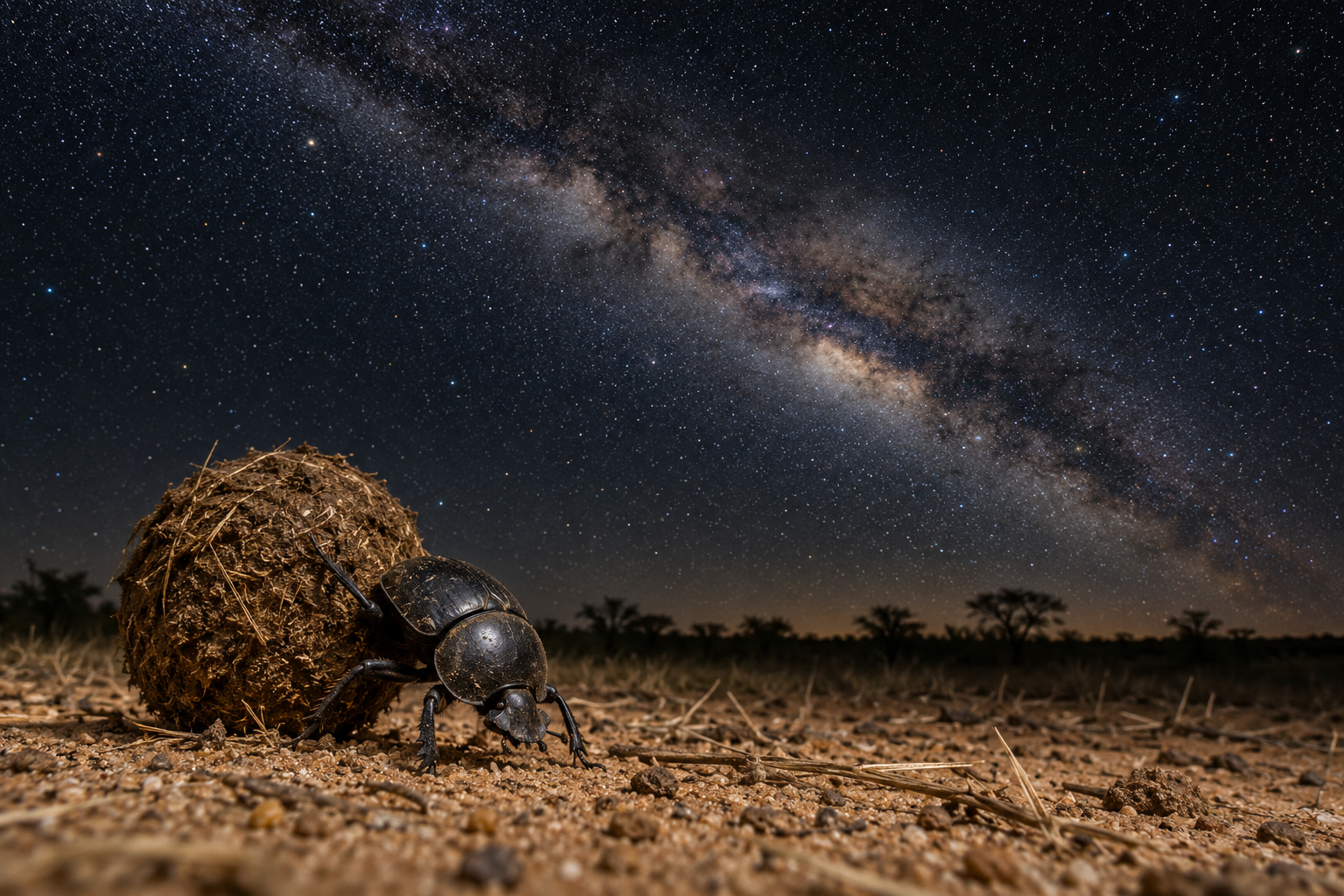
The Tiny South African Beetle That Finds Its Way Using the Milky Way
A dung beetle rolling across the ground may be following something extraordinary overhead. Research involving South African scientists revealed how these small insects use the light of our galaxy to keep moving in the right direction.

Why Is the Ocean Salty When Rivers Are Fresh?
Rivers constantly carry water into the sea, yet the ocean remains salty. The explanation connects rain, rocks and evaporation in a journey that has shaped our planet over millions of years.
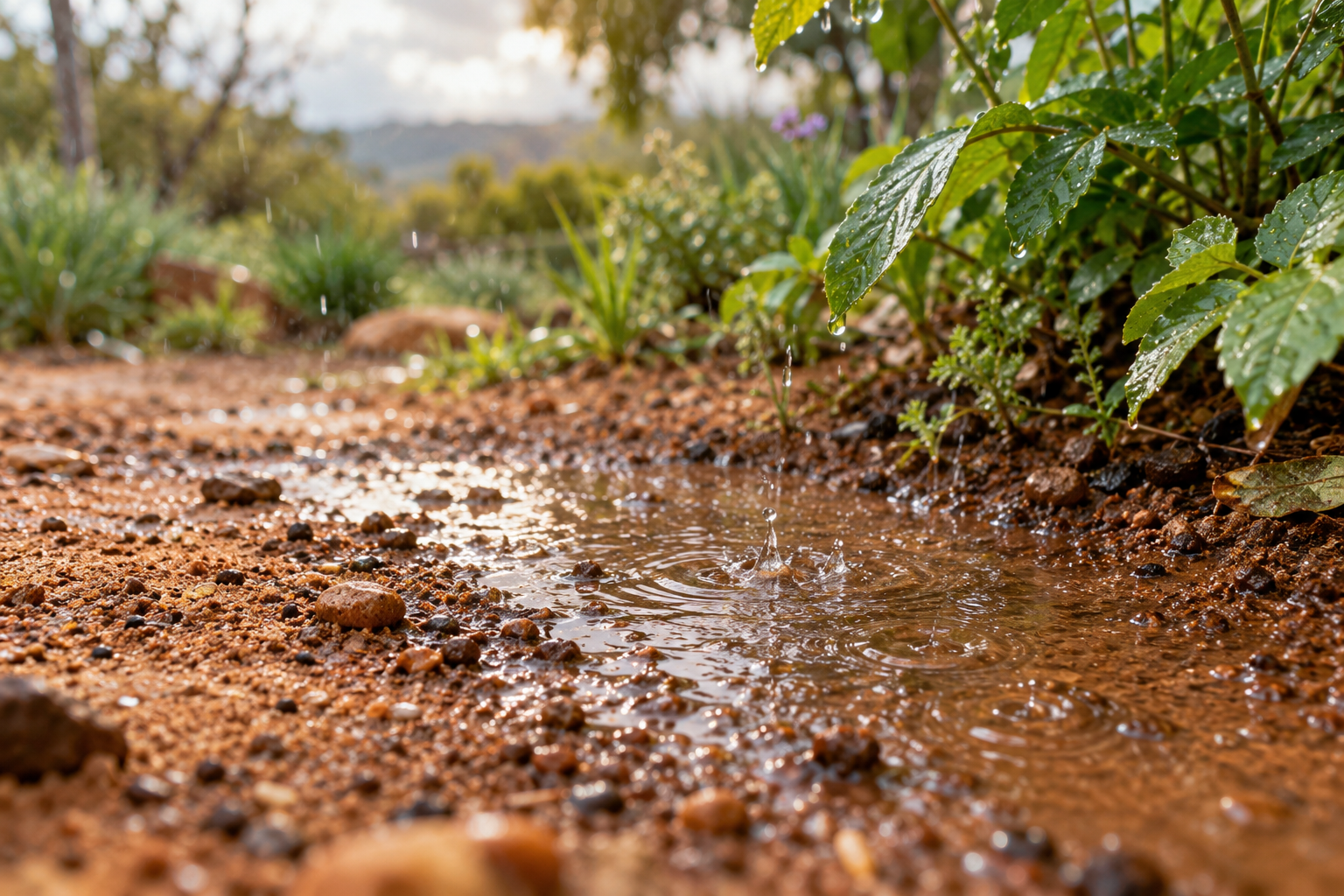
Why Does Rain Smell So Good? The Science Behind That Familiar Earthy Scent
That unmistakable smell when rain touches dry ground has a name—and its journey from the soil to your nose involves natural oils, bacteria and tiny bursting bubbles.
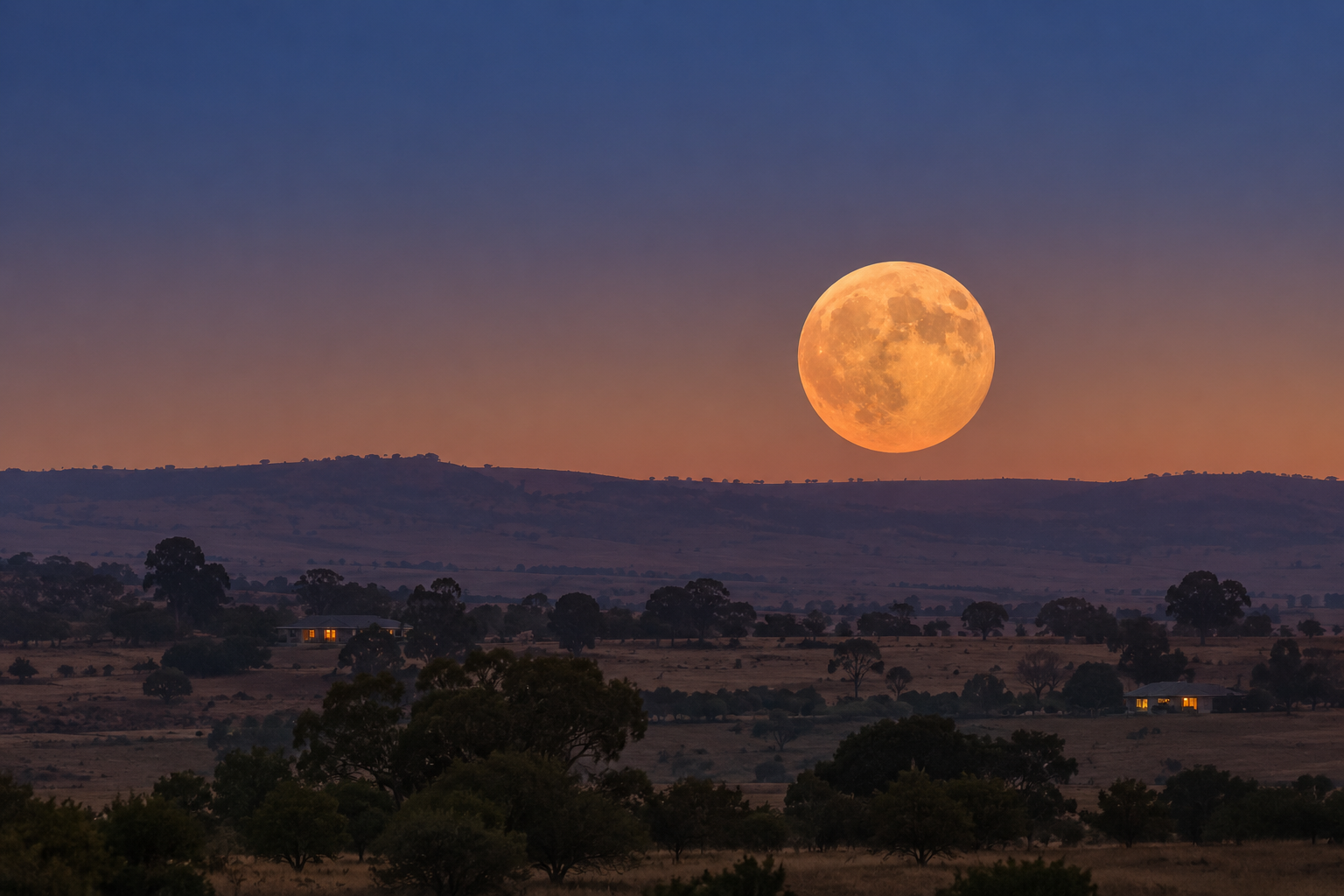
Why Does the Moon Look So Big Near the Horizon?
A rising Moon can seem enormous above rooftops or distant trees. The surprising explanation involves how we see the world—and scientists are still working out the details.
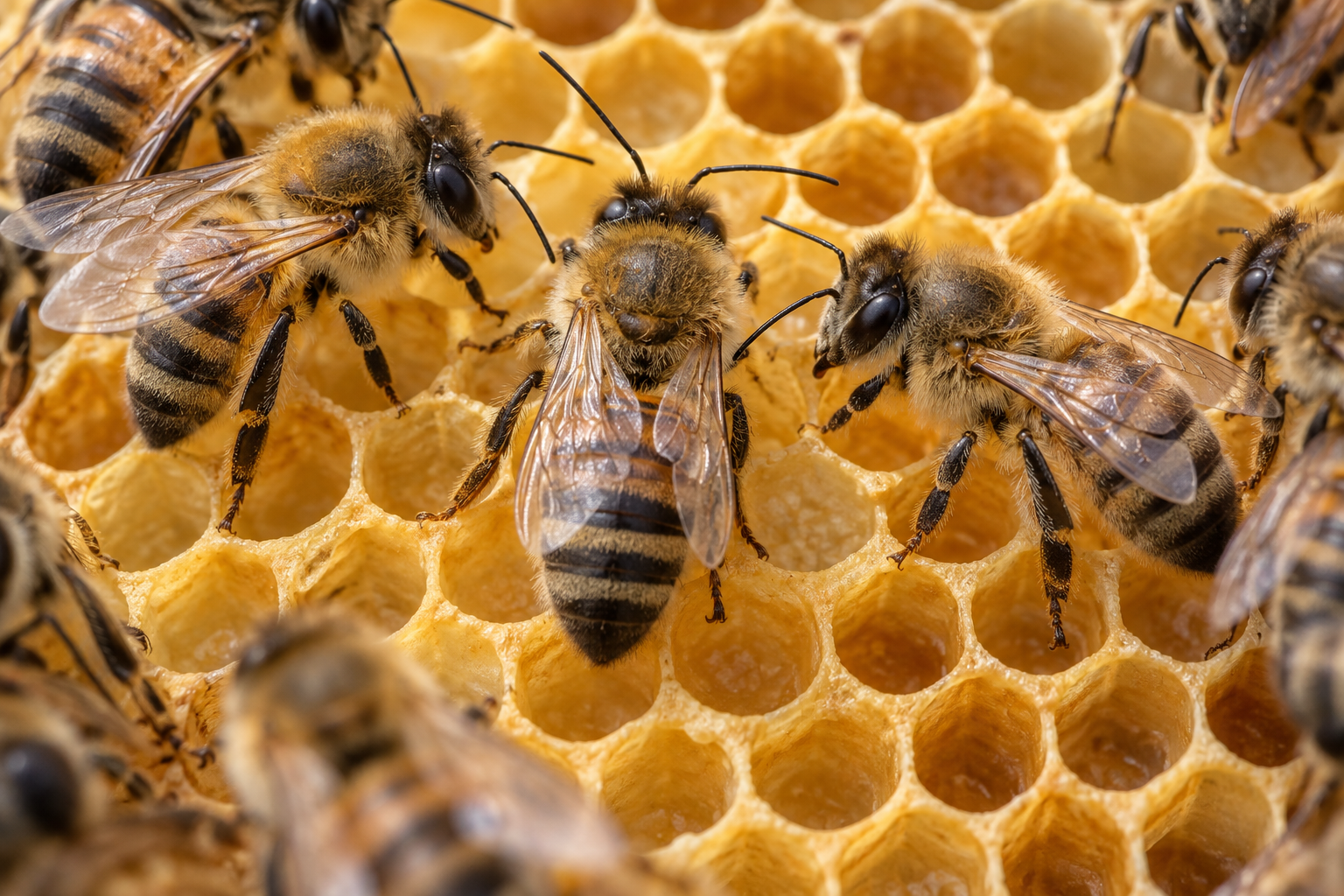
The Dance That Gives Directions: How Honeybees Share the Way to Food
Inside a honeybee hive, a tiny dance can reveal where food is waiting. Its movements communicate direction and distance—and research shows that experience helps bees get it right.